- Home
- Truck & Trailer Repair Services
- Jump Start Service
- Truck Repair
- Trailer Repair
- Truck Road Service
- Service Areas in Palm Beach County
- 24/7 Semi-Truck Road Service & Mobile Truck Repair
- Freightliner Road Service
- Peterbilt Truck Repair
- Boca Raton, FL
- Fleet Services
- Fleet Truck Service West Palm Beach
- Dot Inspections West Palm Beach
- Mobile Diesel Mechanic
- Freightliner Truck Repair & Service
- Hino Truck Repair
- Kenworth Truck Repair
- Volvo Truck Repair
- Diesel Mechanic Service
- DPF Services
- Mobile Fleet Services West Palm Beach
DIY Diesel Engine Troubleshooting: What You Can Do Before Calling a Professional
Understanding the Basics of Your Diesel Engine
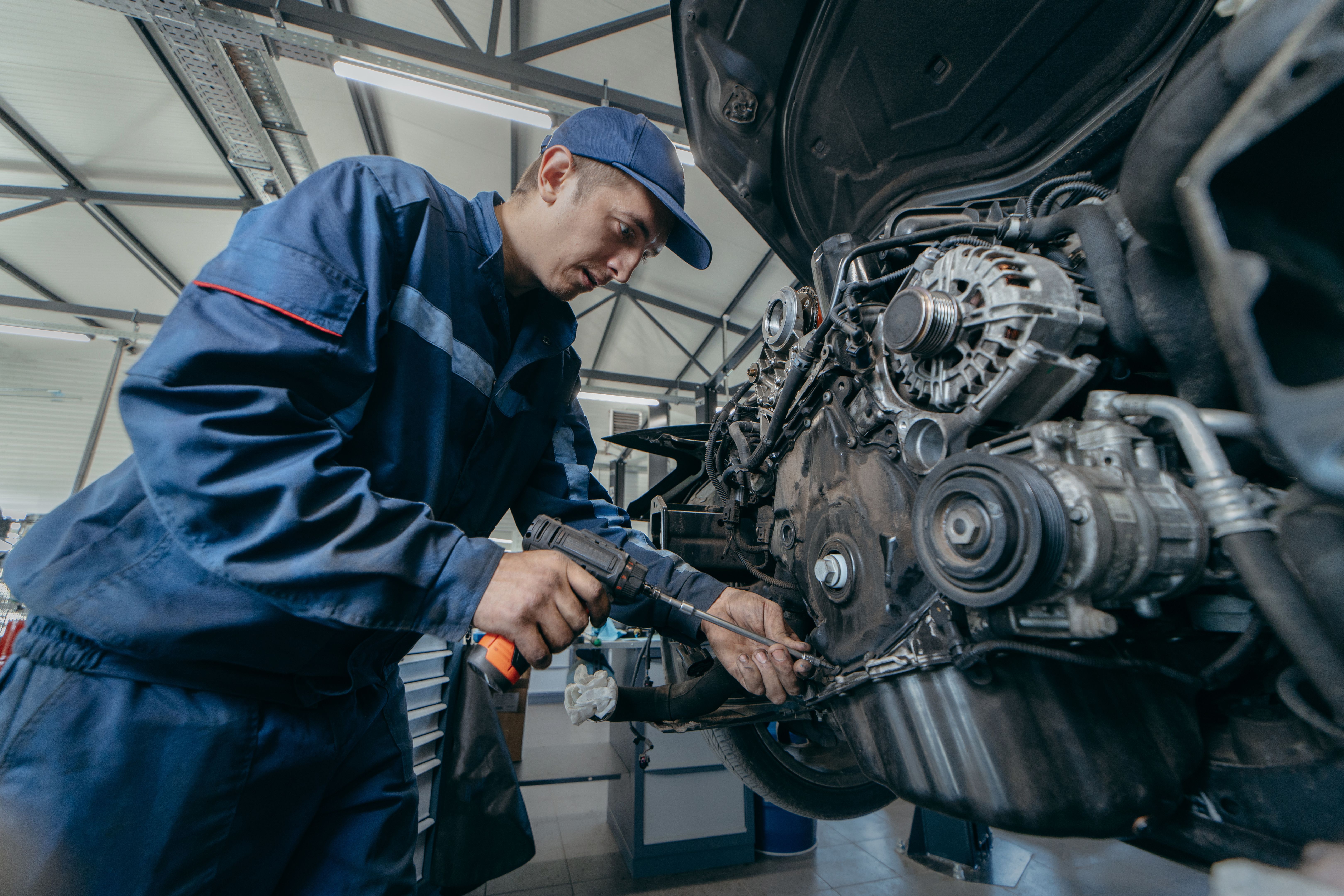
Diesel engines are known for their durability and efficiency, but like any machinery, they can encounter issues. Before calling a professional, it's helpful to understand the basic components of your diesel engine. Familiarize yourself with the fuel system, air intake, and electrical components. This knowledge can be invaluable when troubleshooting.
Checking the Fuel System
Inspect for Leaks
The fuel system is a critical component of your diesel engine. Start by inspecting for any visible leaks in the fuel lines or connections. Leaks can lead to performance issues and potential hazards. If you find a leak, it might be something you can fix with a simple tightening or replacement of a seal.
Assess the Fuel Quality
Poor quality or contaminated fuel can be a common cause of diesel engine problems. Check for water in the fuel by using a clear container to separate a sample. If you suspect contamination, draining and replacing the fuel might resolve the issue.
Examining the Air Intake
Check the Air Filter
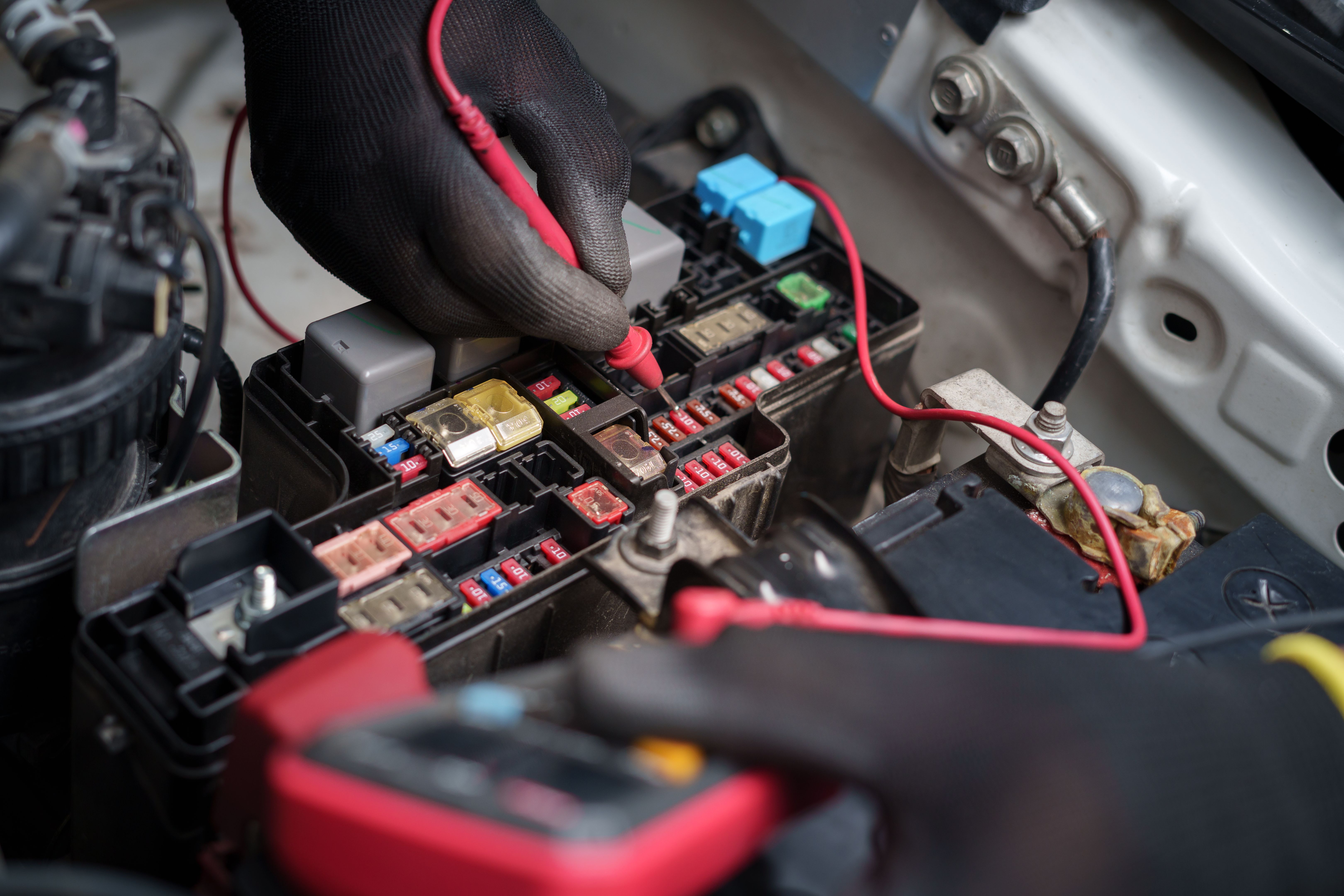
A clogged air filter can significantly impact engine performance. Remove the filter and hold it up to a light source. If the light doesn’t pass through, it’s time to clean or replace the filter. Regular maintenance of the air filter can prevent many common issues.
Inspect the Turbocharger
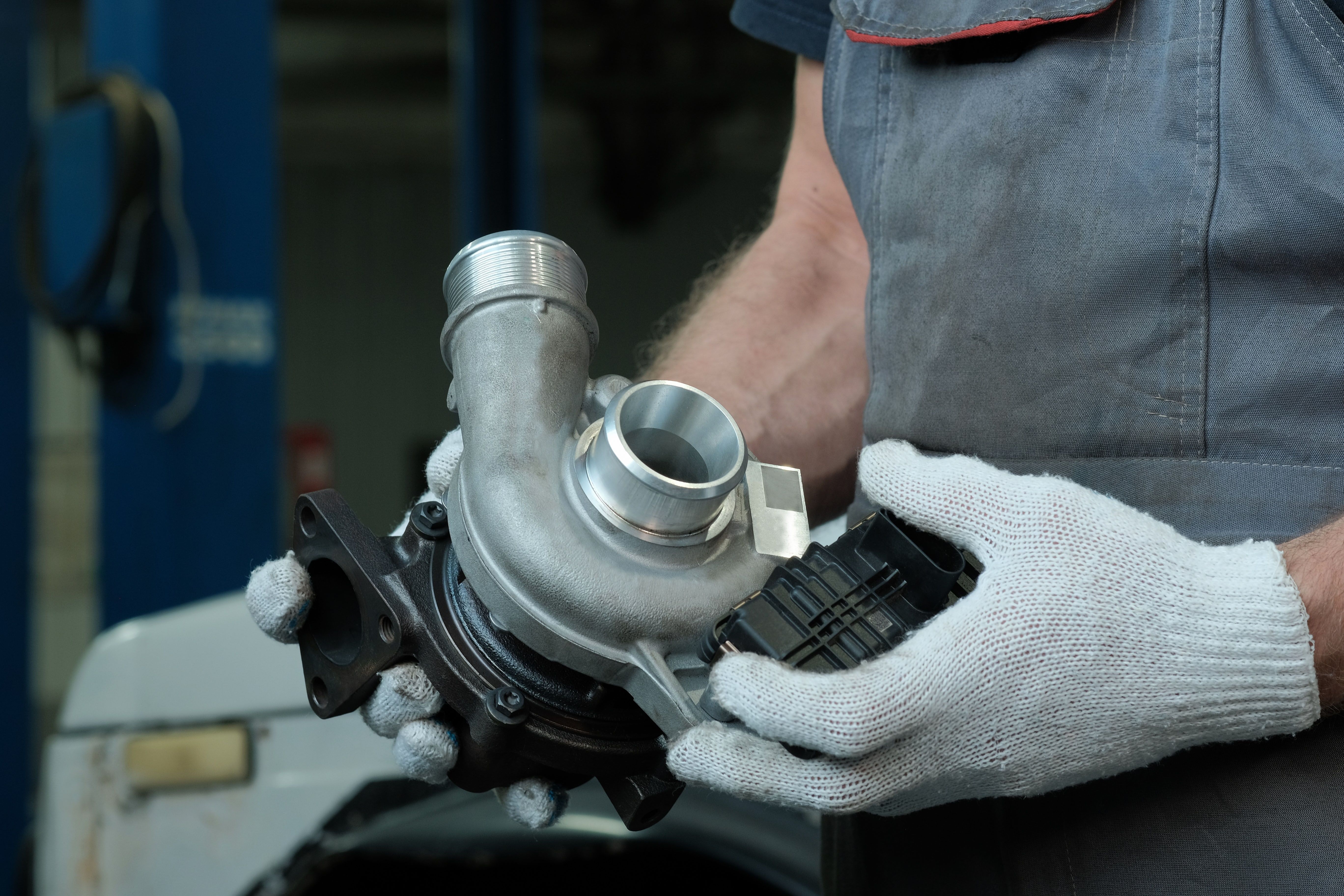
If your diesel engine has a turbocharger, ensure it's functioning properly. Listen for unusual noises or look for signs of oil leakage around the turbo. A malfunctioning turbocharger can lead to reduced power and efficiency.
Investigating the Electrical System
Test the Battery
A weak battery can cause starting problems. Use a multimeter to check the battery voltage. It should read around 12.6 volts when fully charged. Clean any corrosion from the terminals to ensure a good connection.
Examine the Glow Plugs
Glow plugs are essential for starting a diesel engine, especially in cold conditions. Test each glow plug with a multimeter. A faulty glow plug can make starting difficult and reduce engine efficiency.
When to Call a Professional
While you can address many issues with a DIY approach, some problems require professional expertise. If you encounter persistent issues or lack the necessary tools, it’s best to consult a professional mechanic. Attempting complex repairs without sufficient knowledge can lead to further damage.
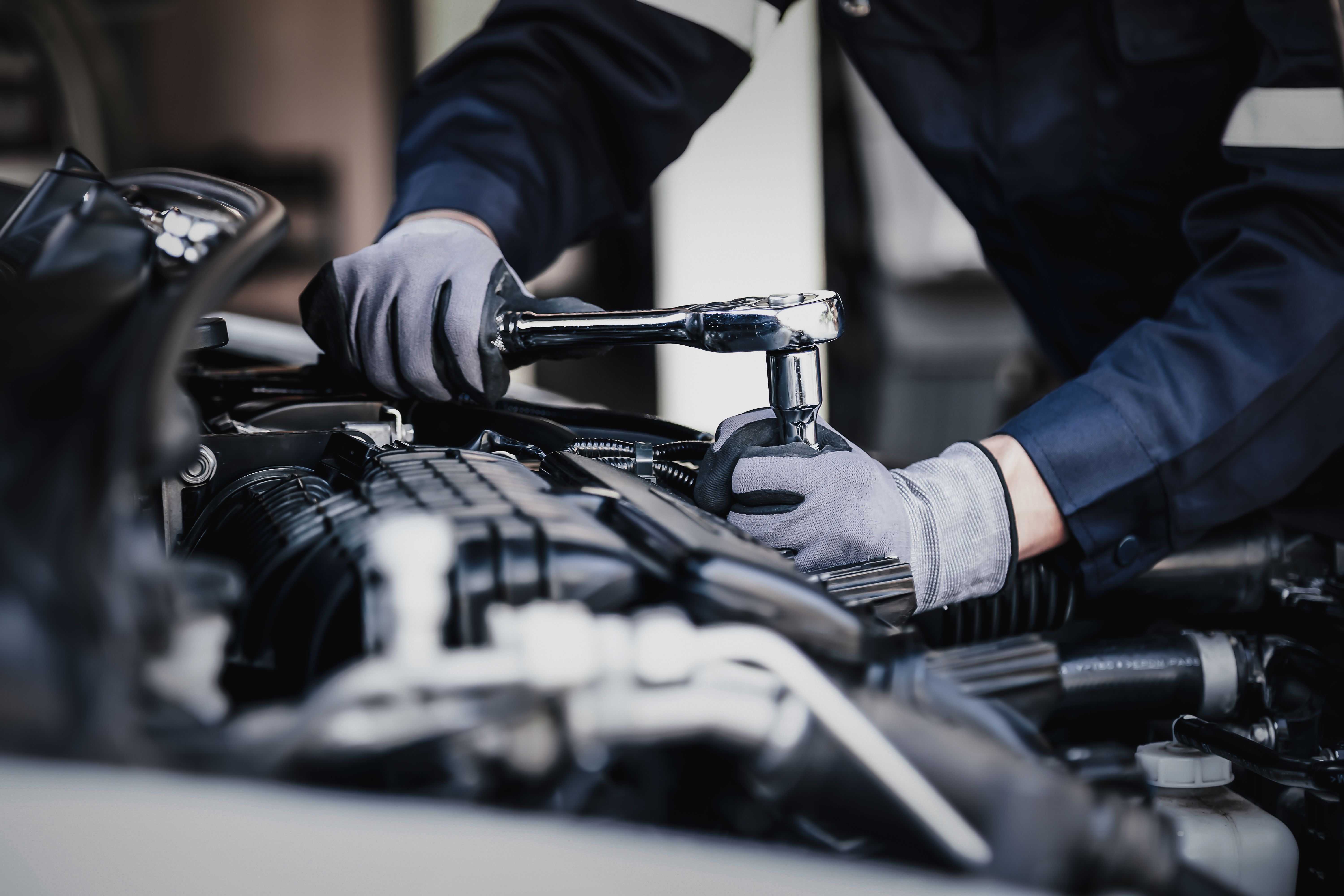
By understanding your diesel engine and performing basic troubleshooting, you can save time and money. Regular maintenance and prompt attention to issues will keep your engine running smoothly. Remember, when in doubt, seek professional help to ensure the longevity of your engine.