- Home
- Truck & Trailer Repair Services
- Jump Start Service
- Truck Repair
- Trailer Repair
- Truck Road Service
- Service Areas in Palm Beach County
- 24/7 Semi-Truck Road Service & Mobile Truck Repair
- Freightliner Road Service
- Peterbilt Truck Repair
- Boca Raton, FL
- Fleet Services
- Fleet Truck Service West Palm Beach
- Dot Inspections West Palm Beach
- Mobile Diesel Mechanic
- Freightliner Truck Repair & Service
- Hino Truck Repair
- Kenworth Truck Repair
- Volvo Truck Repair
- Diesel Mechanic Service
- DPF Services
- Mobile Fleet Services West Palm Beach
Local Insights: Navigating Palm Beach County's Truck Repair Regulations
When it comes to truck repair in Palm Beach County, understanding the local regulations is crucial for both operators and repair shops. Navigating these rules ensures compliance and smooth operations. This guide will help you understand the key aspects of truck repair regulations in the area.
Understanding Local Licensing Requirements
Before setting up a truck repair shop in Palm Beach County, it's essential to obtain the necessary licenses. The county requires businesses to have a general business license, and additional permits may be needed depending on the services offered. It's advisable to consult with the local business office to ensure all licensing criteria are met.
For individual technicians, certifications can enhance credibility. Many repair shops prefer hiring ASE-certified mechanics, which indicates a high level of expertise in truck maintenance and repair.
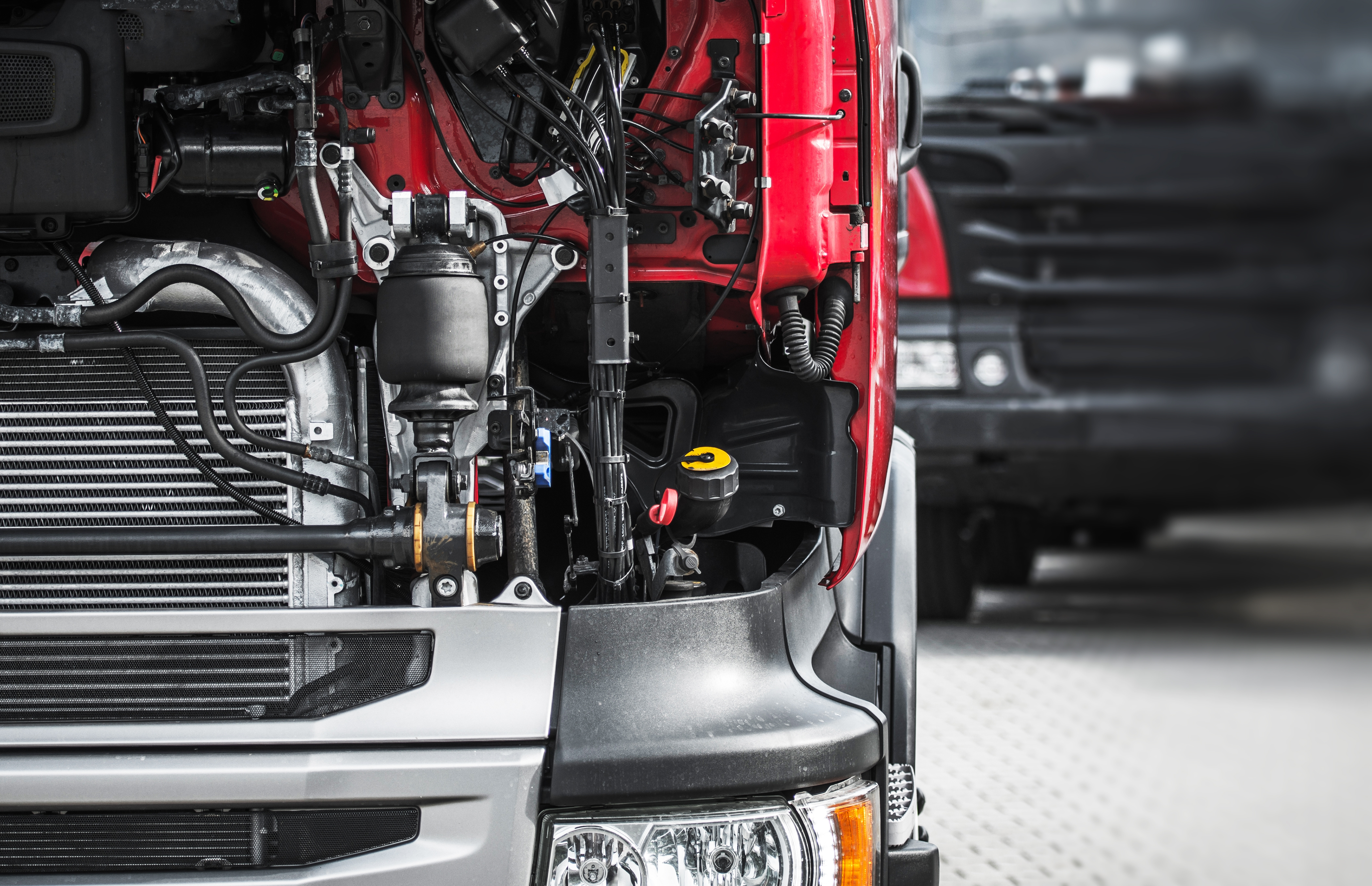
Environmental Regulations
Environmental compliance is a significant aspect of truck repair regulations in Palm Beach County. Shops must adhere to guidelines for waste disposal to minimize environmental impact. This includes proper disposal of oil, coolant, and other hazardous materials.
Ensure your repair shop has an efficient waste management system in place. Regular audits and compliance checks can help maintain adherence to environmental laws, avoiding potential fines and legal issues.
Zoning Laws and Location Considerations
Choosing the right location for a truck repair business in Palm Beach County involves understanding zoning laws. Different zones have specific rules regarding the types of businesses allowed. It's important to verify that your chosen location is zoned for commercial use and truck repair activities.
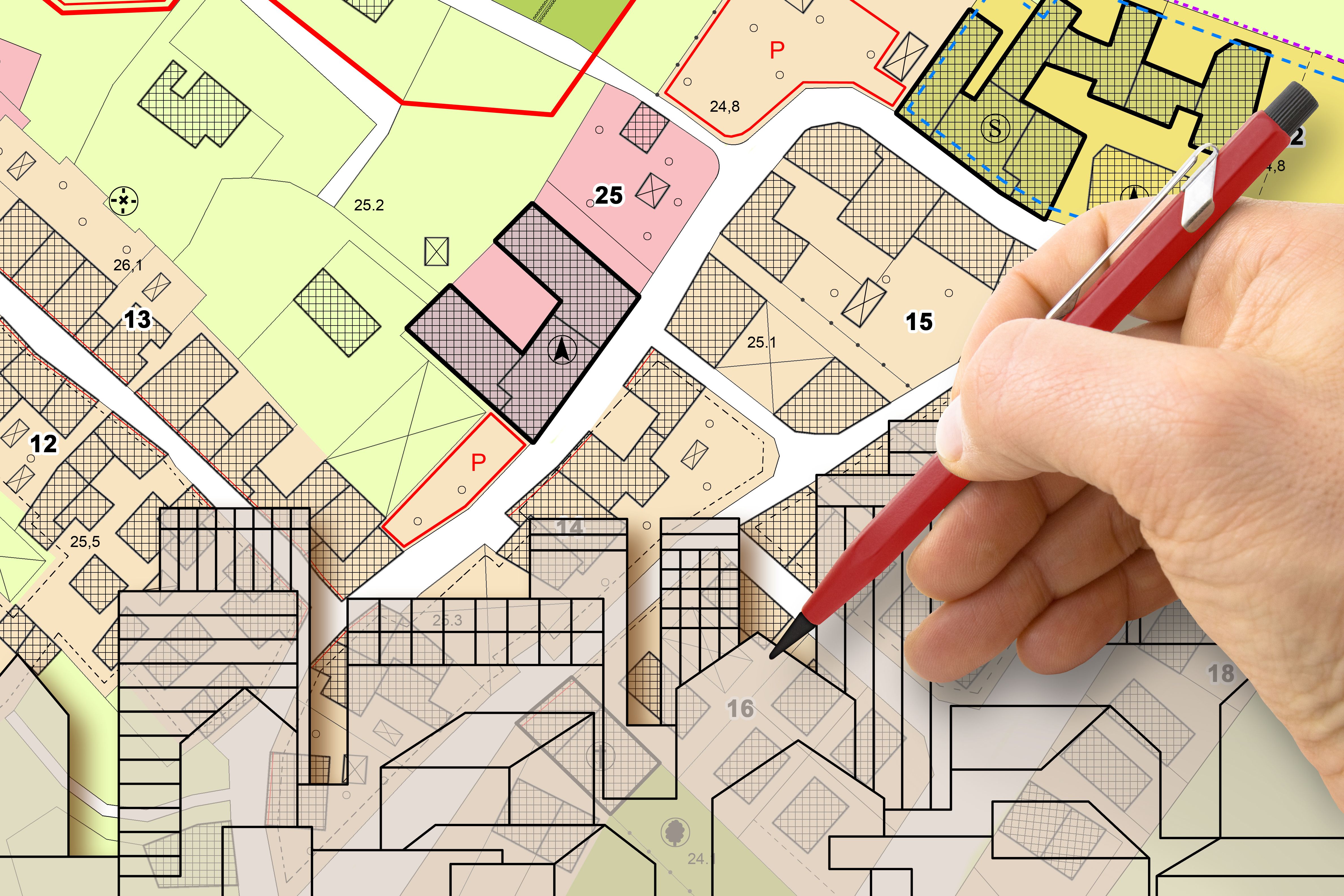
Consider accessibility for large vehicles and proximity to major highways, as these factors can significantly influence customer convenience and business success.
Safety Standards and Inspections
Truck repair shops must comply with safety standards to protect both employees and customers. Regular inspections help ensure that all equipment is functioning correctly and that the work environment is safe.
Implementing a comprehensive safety program that includes employee training, equipment maintenance, and emergency procedures can prevent accidents and enhance the shop's reputation.

Staying Updated with Regulatory Changes
Regulations can change, and staying informed is vital for ongoing compliance. Joining local business associations and subscribing to industry newsletters can provide updates on any regulatory changes affecting truck repair businesses.
Networking with other business owners and attending workshops can also offer valuable insights and strategies for navigating the regulatory landscape effectively.
Conclusion
Navigating truck repair regulations in Palm Beach County requires careful attention to licensing, environmental guidelines, zoning laws, and safety standards. By understanding and adhering to these regulations, truck repair businesses can operate efficiently and build a reputation for reliability and compliance.